Master's in Learning Design and Technology
Systems Analysis Paper
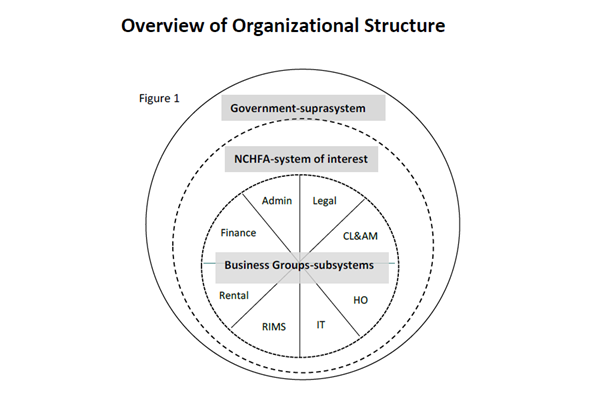
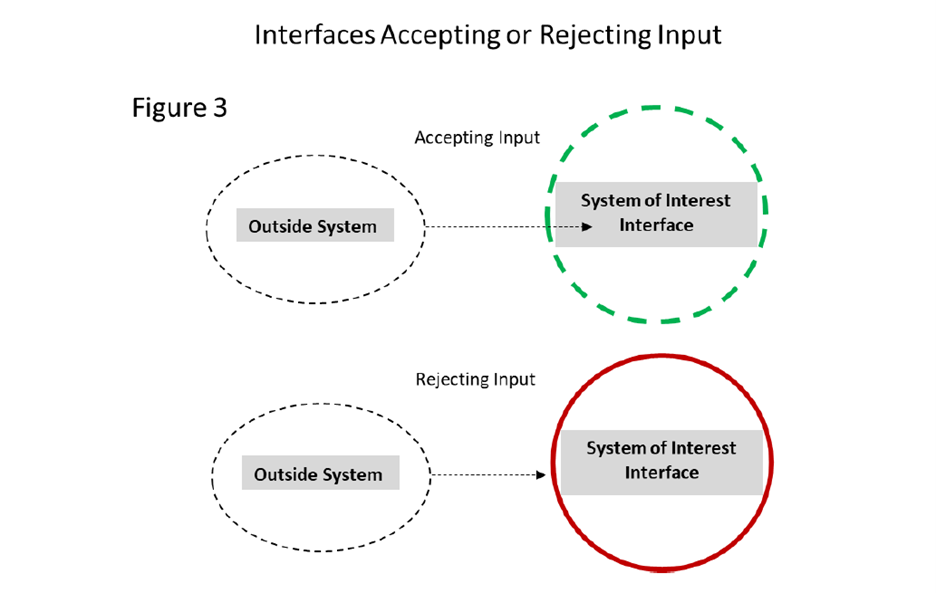
This paper applies General Systems Theory to examine the North Carolina Housing Finance Agency as an open system operating within state and federal structures. It explores how inputs, feedback, boundaries, and environmental change shape the Agency’s decisions and operations.
The idea of open systems has been one of the most influential frameworks in my career and personal life. Bring people together in a collaborative setting and be open to their feedback. Avoid becoming rigid or insulated. Silos are the enemy of great work. The most effective systems are the ones willing to listen, adapt, and evolve.
This artifact documents a system analysis completed in Spring 2023 for ECI 516: Design and Evaluation of Instructional Materials at NC State University. The project applied General Systems Theory to the North Carolina Housing Finance Agency, my current place of employment, to examine how the organization functions as an open system within a broader governmental environment.
The analysis was conducted without access to confidential internal data and was informed by professional experience, public information, and course-based theoretical frameworks. Core General Systems Theory concepts (including suprasystems and subsystems, inputs and outputs, boundaries, interfaces, filtering, feedback loops, adaptation, and entropy) were applied to evaluate organizational structure and system behavior.
The project examined internal organizational relationships, environmental interactions, and system adaptation, with particular attention to the agency’s response to COVID-19. Original conceptual diagrams were developed to illustrate organizational structure, system boundaries, and interface behavior. This artifact demonstrates my ability to apply systems theory to real-world contexts, analyze organizational complexity, and communicate systems concepts clearly and effectively.
Needs Assessment Proposal
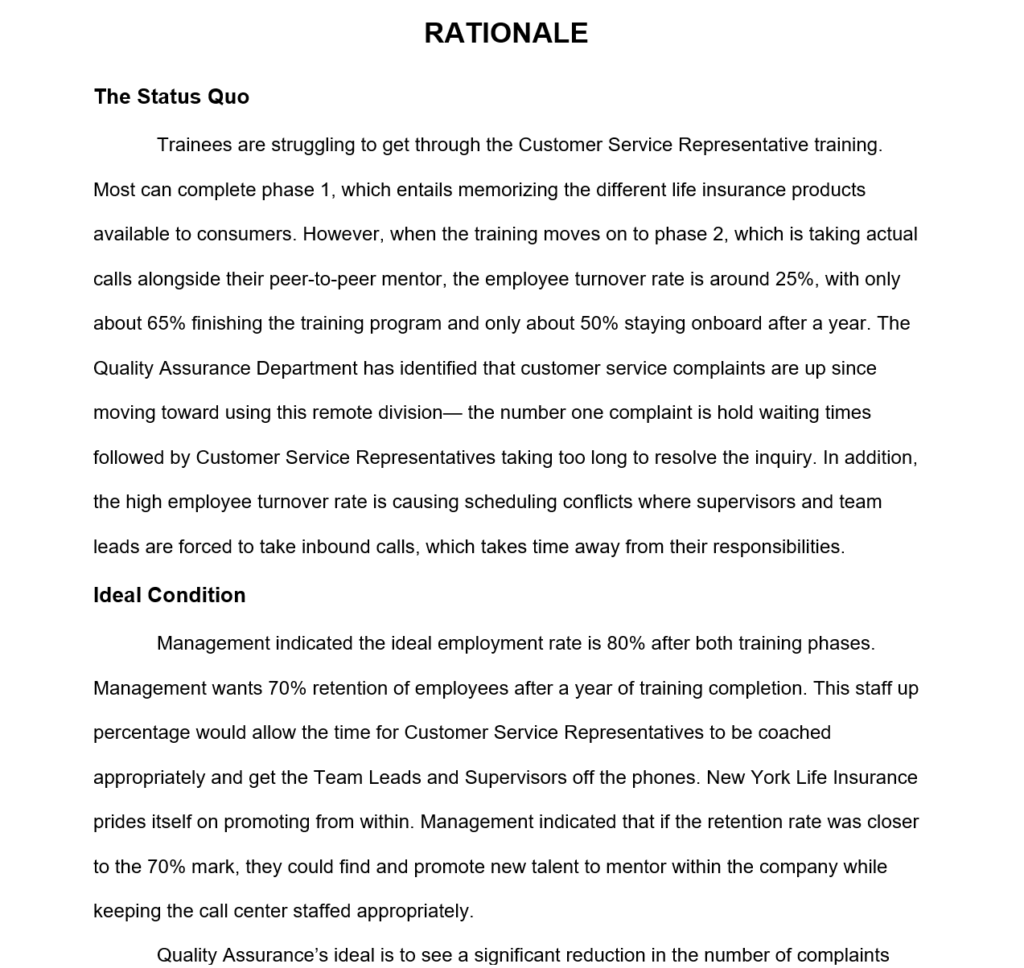
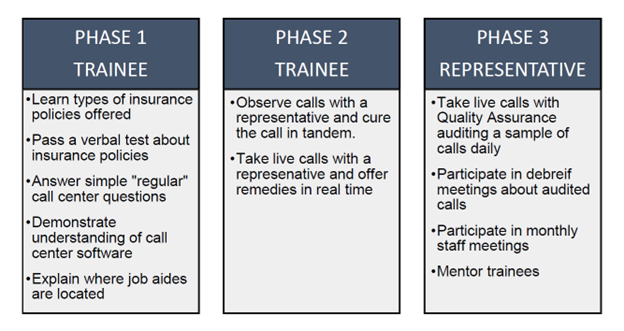
This proposal is a needs assessment outline for a fictitious remote customer service division experiencing retention and performance challenges. The paper defines the gap between the current state and the desired condition. Then details a plan to gather data from multiple stakeholders before recommending solutions.
Through this project, I’ve learned a framework to communicate the many moving parts of an organization, and how they influence one another. Communicating these concepts to stakeholders is complex. A well-designed needs assessment brings order to that complexity. It helps clarify idiosyncrasies, surface root causes, and present findings in a way stakeholders can understand and act on. This artifact documents a needs assessment proposal completed in Spring 2023 for ECI 516: Design and Evaluation of Instructional Materials at NC State University. The project applied formal needs assessment and performance gap analysis frameworks to a remote workforce scenario involving challenges related to training completion, employee retention, and customer complaints.
The analysis compared current and desired performance conditions and proposed a structured data collection plan, including questionnaires, interviews, focus groups, and observation. Although the scenario was hypothetical, the methodology, instruments, and implementation procedures reflected real-world organizational practice. This artifact demonstrates my ability to design rigorous needs assessments, plan mixed-methods research, and align training recommendations with organizational goals and business outcomes.
Note: I’m conducting a needs assessment in my place of employment to help with my final project and relied heavily on this paper as a foundation for understanding these frameworks exist.
ID Process Model Proposal
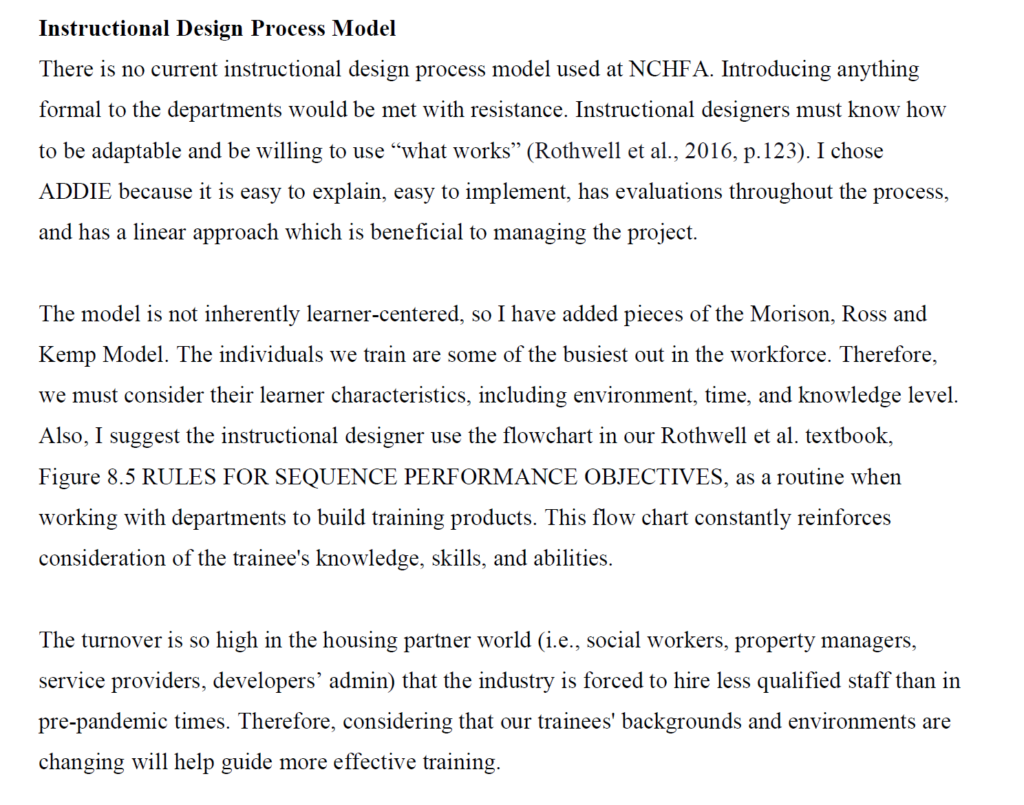
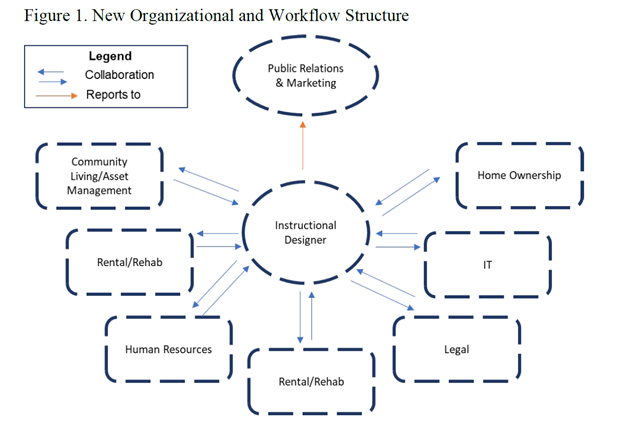
This paper proposes a formal instructional design workflow and process model for the fictitious case study of the North Carolina Housing Finance Agency. It identifies gaps in how training is currently designed in departments and recommends a blended ADDIE and Morrison, Ross, and Kemp approach supported by a new reporting structure.
I was able to pitch portions of this proposal to my current employer, and it was approved with one adjustment to my reporting structure. Even with that modification, the proposal directly influenced the Agency’s real-life training structure. This project represents the point in my program where theory moved into practice and resulted in organizational change. Developed in Spring 2023 for ECI 516: Design and Evaluation of Instructional Materials at NC State University, this project examined and redesigned instructional design practices at the North Carolina Housing Finance Agency. The proposal addressed the absence of a formal instructional design process and the challenges created by decentralized, department-led training development.
Drawing on my professional experience within the Agency, I conducted a ficticious organizational and gap analysis using ADDIE as a diagnostic framework. The analysis identified systemic inefficiencies in training alignment, evaluation, and workflow consistency. Based on these findings, I proposed a blended instructional design model that combined ADDIE with the Morrison, Ross, and Kemp model, customized to the Agency’s culture, leadership structure, and operational constraints.
The proposal included a redesigned instructional workflow, evaluation strategy, and cost-benefit considerations, as well as a recommended Instructional Designer role housed within Public Relations & Marketing to centralize expertise while supporting cross-department collaboration. Recommendations were intentionally practical, accounting for political realities, long-tenured staff, departmental silos, and limited resources.
This artifact demonstrates my ability to apply instructional design theory strategically at the organizational level, translating models into actionable, context-sensitive solutions that support sustainable change.
Team Video Project
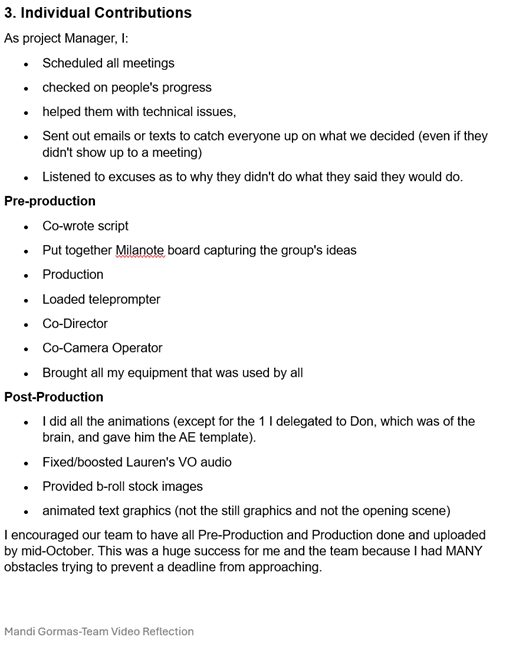

This project involved leading a five-person team through the full production of an instructional video on coping strategies for teen test anxiety. I served as project manager while also contributing heavily in pre-production, filming, animation, and technical troubleshooting.
This was by far the most stressful project in the program (and the most formative). I learned that when you are the project manager, you cannot assume that individuals who should know better will naturally execute at a high level. Leadership does not stop after delegation. It requires continued oversight, clear structure, and proactive follow-up. When I relied too heavily on others to manage their own workflow, I ended up playing catch-up at the end. It worked out for the team, but I learned a lasting lesson: project management requires sustained leadership from start to finish.
Through this challenge, I learned more about myself than in any other project in the program. Big challenges reveal strengths, blind spots, and growth edges. This experience shaped how I will lead every future project.
This artifact represents a collaborative instructional video project designed to teach three coping strategies for teen test anxiety: movement, square breathing, and the 5-4-3-2-1 grounding technique. The target audience was beginner-level teens with limited experience using anxiety management strategies. The final product was a short, skills-based instructional video under ten minutes.
As Project Manager, I coordinated meetings, structured workflow across pre-production, production, and post-production, and maintained accountability within a five-person team with varied technical skill levels. I co-wrote the script, organized the planning board, served as Co-Director and Co-Camera Operator, and completed the majority of animation, audio correction, and graphic work during post-production. When workflow breakdowns occurred, I adjusted my level of involvement to stabilize the project and protect the delivery deadline.
This experience strengthened my understanding of how leadership, delegation, and production planning intersect with instructional design. I learned the importance of establishing early deadlines, clarifying ownership, and adapting leadership style when team capacity varies. The artifact reflects both instructional intent and my ability to guide a team through complexity while ensuring a successful final product.
7 Cutz Above Welcome Video
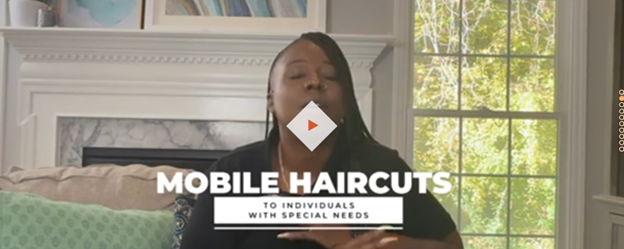
I created this welcome video for 7 Cuts Above, a mobile haircut business that serves individuals with special needs. The owner wanted a way to explain what she does and build trust with parents and caretakers before they ever schedule an appointment. My job was to help her organize her message, so it was clear, focused, and easy to understand.
There was no budget and no production team, so I handled everything from planning and filming to editing and final delivery. I also had to work through real-world challenges, including keeping the messaging on track and making sure we stayed within music licensing rules. I didn’t control the branding, but I worked within it to support the business owner’s voice and audience. This project strengthened my project management skills and reminded me that steady leadership matters most when things feel unstructured. In the end, the video is live on her website and helping families better understand her services.
This artifact documents the design and production of a customer welcome video created for 7cutzabove.com, a mobile haircut service specializing in individuals with special needs. Filmed at my home, the video was developed to provide prospective parents and caretakers with a clear explanation of services and to establish trust prior to booking appointments.
The project was completed as an unpaid academic assignment without a production team or budget. I independently managed all phases of development, including planning, filming, editing, and delivery. Early project challenges included redirecting the client from copyrighted music to licensed alternatives and refining messaging to ensure clarity and audience alignment. While branding elements were predetermined, the final product was designed to align visually with existing logos and color schemes.
The scope included development of the script and shot list, on-site direction and filming, post-production editing, integration of brand assets, and delivery of web-ready files. Revisions were incorporated based on client feedback, and the final video remains in active use on the company’s website.
This artifact demonstrates my ability to manage full-cycle production in low-resource environments, guide client messaging toward audience-centered communication, navigate legal and ethical media considerations, and independently execute a complete instructional media project from concept to implementation.
Augmented Reality AERO Demo
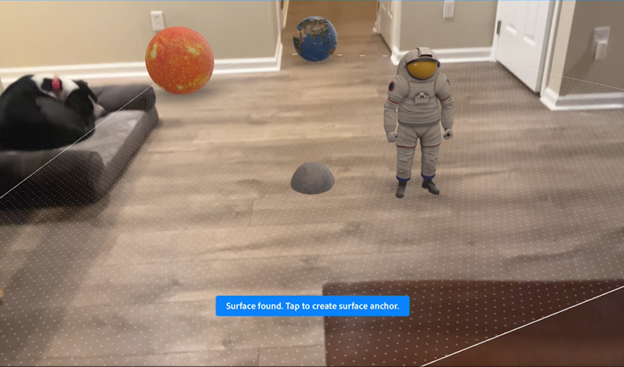
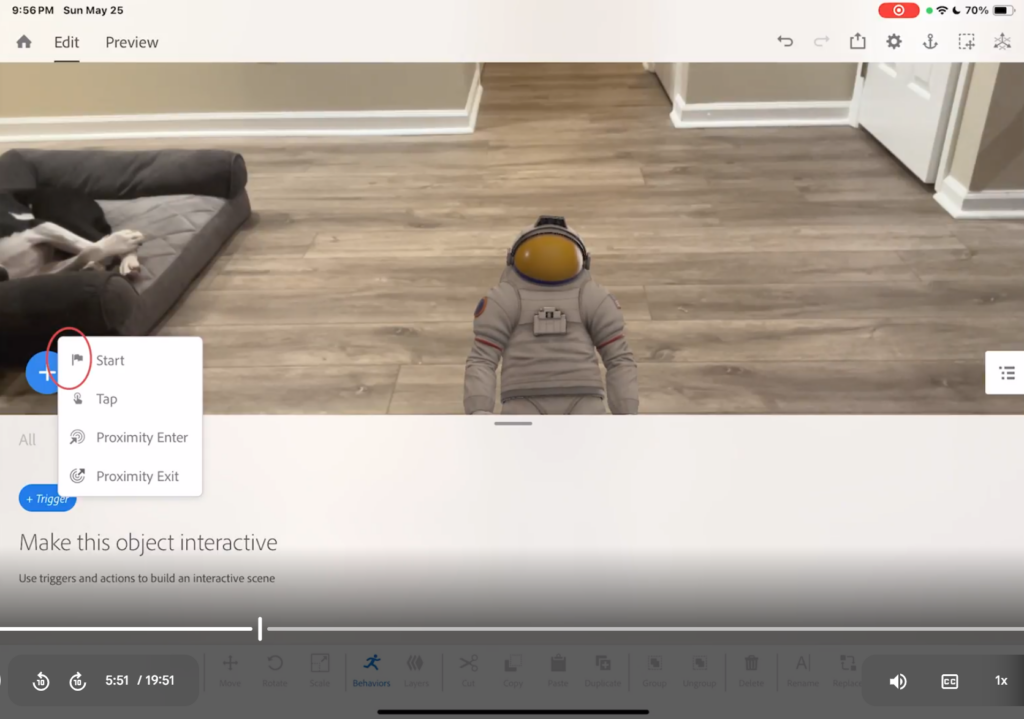
In this course, I created a recorded mini-training demonstrating how teachers can use Adobe Aero to bring augmented reality into their classrooms. My goal was simple: make AR feel usable instead of intimidating. I intentionally slowed the pace, avoided jargon, and explained every step so that even a reluctant technology user could follow along.
I value augmented reality as one of the most practical emerging tools for learning. Unlike virtual reality, AR doesn’t require expensive headsets or specialized equipment. If the hardware is current, most educators can start with what they already have. That accessibility matters. Preparing this demo was genuinely fun, and it reinforced something I’ve seen repeatedly in professional settings: subject matter experts often struggle to break complex tools down into manageable steps. My focus was clarity first, technology second.
This artifact documents an individual augmented reality demonstration completed in Summer 2025 for the course Emerging Technologies for Teaching and Learning. The project was designed as a recorded mini-training for educators interested in integrating augmented reality into classroom instruction, with a specific focus on making Adobe Aero accessible to beginners.
The demonstration assumed little to no prior experience with augmented reality and emphasized clarity, pacing, and plain-language explanations. I independently researched Adobe Aero’s functionality and classroom applications, then designed a complete instructional flow from introduction through hands-on demonstration. The training modeled a step-by-step AR creation process and intentionally positioned augmented reality as a practical instructional tool that does not require specialized hardware.
I served as the sole designer, presenter, and producer, creating all instructional materials, visuals, and video edits. Careful attention was given to scaffolding, terminology translation, and instructional sequencing to support technology-reluctant users. This artifact demonstrates my ability to design instruction for emerging technologies, translate complex tools for non-experts, and independently develop and deliver accessible, educator-focused learning experiences.
Information and Cyber Security eLearning
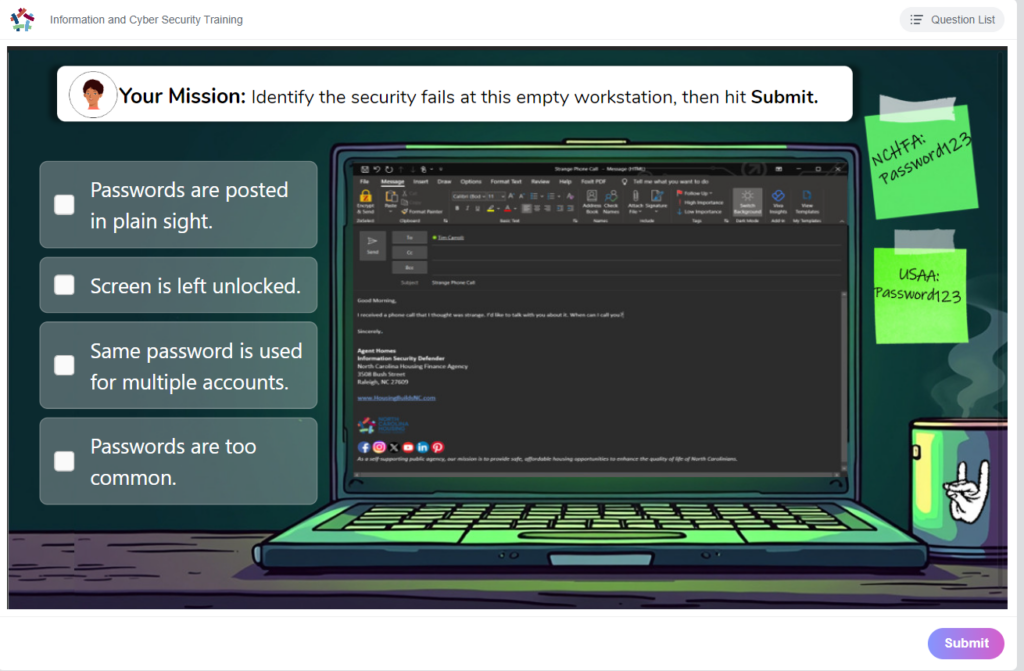
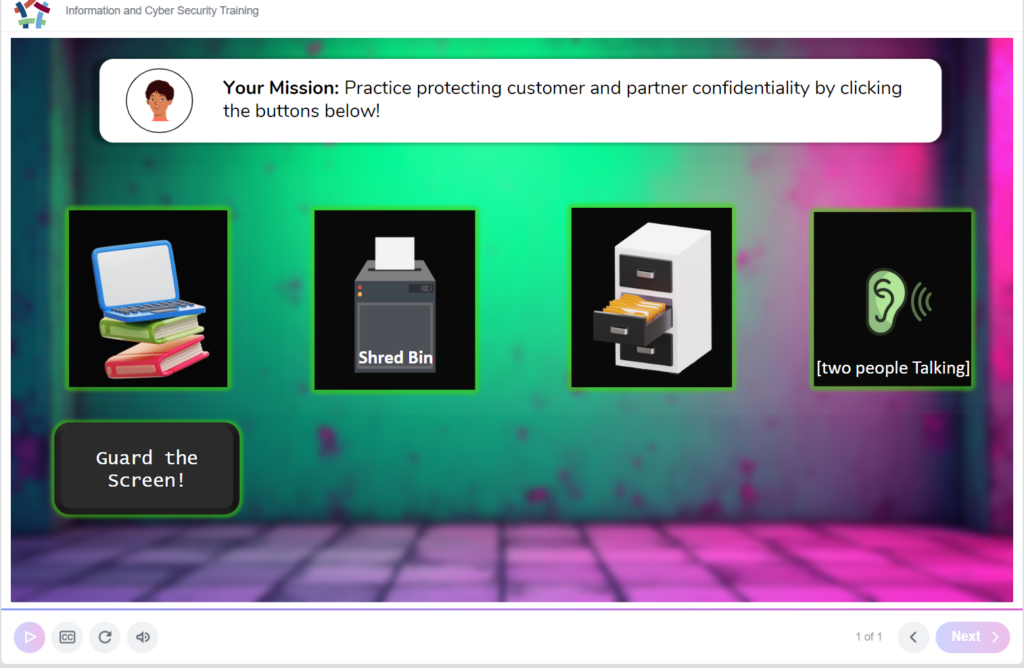
In April 2025, I developed a mandatory information and cyber security course for all staff in my organization. I was given raw policy documents and technical security language and was responsible for turning that content into a practical eLearning experience that staff could actually apply in their daily work.
I structured the course around realistic scenarios using our agency’s everyday language and embedded decision points throughout rather than relying on a single end-of-course test. I applied adult learning principles, used plain language, and thoughtfully incorporated what I learned in my digital accessibility coursework to ensure the training was usable for all staff. I also used AI tools to generate voiceovers and support graphics while carefully reviewing everything for accuracy and tone.
The most important decision I made was to design for behavior change, not just comprehension. Compliance training can easily become a checkbox exercise. My goal was to create something that genuinely influenced how employees respond to security risks in real situations.
This artifact documents the design and development of a mandatory agency-wide Information and Cyber Security eLearning module completed in April 2025. Developed for all staff, the training translated policy and technical security requirements into practical, behavior-focused workplace guidance aligned with annual compliance standards.
I served as the sole Instructional Designer and Developer, collaborating with the Chief Information Officer and Director of IT for content validation while independently managing instructional design and development in iSpring. The course incorporated scenario-based knowledge checks throughout the 15–20 minute module, requiring learners to correct errors before advancing to reinforce real-world application. Digital accessibility principles informed layout, structure, and media choices.
AI tools were used intentionally to support voice generation, visual asset selection, and engagement framing. All AI-generated content was reviewed, edited, and validated for accuracy, tone, and accessibility alignment, ensuring responsible and transparent integration. The course is currently deployed as part of recurring annual compliance training.
This artifact demonstrates my ability to apply adult learning theory, design behavior-focused compliance instruction, and integrate AI tools responsibly within organizational and ethical constraints.